
Uganda stands as one of Africa’s most biodiverse countries, earning its celebrated title as the “Pearl of Africa” through an extraordinary concentration of wildlife, pristine habitats, and safari experiences that rival any destination on the continent. From the mist-shrouded mountains harboring endangered mountain gorillas to vast savannahs teeming with elephants, lions, and buffalo, from ancient rainforests echoing with chimpanzee calls to wetlands hosting rare shoebill storks, Uganda offers wildlife encounters of exceptional variety and intimacy. Understanding the top wildlife safaris in Uganda requires exploring the diverse national parks, unique wildlife specialties, and distinctive experiences that collectively position this East African nation as a premier safari destination combining classic game viewing with extraordinary primate encounters.
Bwindi Impenetrable Forest: The Ultimate Gorilla Safari
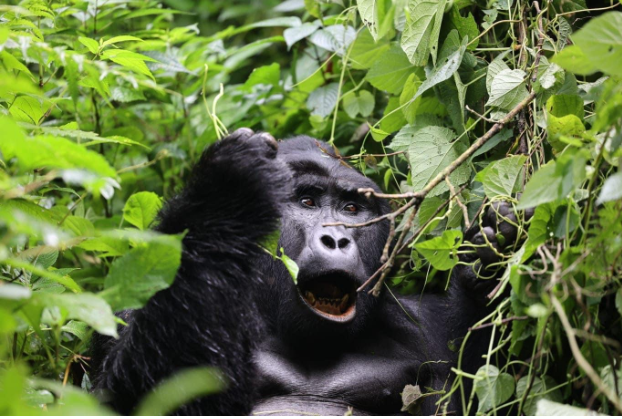
Bwindi Impenetrable National Park stands as Uganda’s most iconic wildlife destination, harboring approximately 459 mountain gorillas—nearly half the global population of this critically endangered species. This ancient rainforest, designated a UNESCO World Heritage Site, spans 331 square kilometers of incredibly diverse terrain ranging from 1,160 to 2,607 meters in elevation, creating habitats of exceptional ecological importance extending far beyond its famous gorilla residents.
The gorilla trekking experience in Bwindi represents African wildlife viewing at its most profound and intimate. With nineteen habituated gorilla families distributed across four sectors—Buhoma, Ruhija, Rushaga, and Nkuringo—the park offers more gorilla encounter opportunities than any other destination globally. Permits cost $800 per person for foreign non-residents, providing exceptional value compared to neighboring Rwanda while delivering equally transformative encounters. The gorilla habituation experience, available exclusively in Bwindi’s southern sectors for $1,500, allows up to four hours with families still undergoing habituation, appealing to serious wildlife enthusiasts seeking extended observation opportunities.
Beyond gorillas, Bwindi shelters at least 120 mammal species including eleven primate species like black-and-white colobus monkeys, L’Hoest’s monkeys, and blue monkeys. The park’s exceptional avian diversity features over 350 bird species including 23 Albertine Rift endemics found nowhere else on Earth, making Bwindi a premier birding destination. Species like African green broadbill, Shelley’s crimsonwing, and numerous sunbirds reward patient observers with sightings of exceptional rarity.
Bwindi safaris typically span three to four days, allowing time for gorilla trekking, forest walks, birding excursions, and cultural encounters with Batwa communities who historically inhabited these forests. The park’s four sectors offer accommodation ranging from budget campsites to luxury lodges like Sanctuary Gorilla Forest Camp, Buhoma Lodge, and Clouds Mountain Gorilla Lodge, ensuring options across all budget levels.
Queen Elizabeth National Park: Classic Savannah Safari Excellence
Queen Elizabeth National Park represents Uganda’s premier traditional safari destination, encompassing 1,978 square kilometers of diverse ecosystems including savannah grasslands, wetlands, crater lakes, and tropical forests. Located in western Uganda along the base of the Rwenzori Mountains, the park supports remarkable wildlife concentrations including over 95 mammal species and more than 600 bird species, creating safari experiences rivaling East Africa’s most celebrated reserves.
The park’s most famous residents are the tree-climbing lions of the Ishasha sector, a behavior observed in only two African populations globally. These magnificent predators lounge in fig trees during hot afternoons, presenting extraordinary photographic opportunities and wildlife viewing of exceptional uniqueness. The Ishasha plains also support populations of topi, Uganda kob, buffalo, and elephants against backdrops of the distant Rwenzori peaks.
The Kazinga Channel, a 32-kilometer natural waterway connecting Lake Edward and Lake George, hosts one of Africa’s highest concentrations of hippos, with populations exceeding 5,000 individuals. Boat safaris along this channel provide intimate encounters with hippos, massive Nile crocodiles, elephants drinking at water’s edge, and spectacular birdlife including African skimmers, malachite kingfishers, pied kingfishers, and various storks, herons, and egrets. These water-based safaris complement traditional game drives, offering diverse perspectives on the park’s wildlife.
The northern Kasenyi plains deliver classic savannah game viewing with abundant Uganda kob, waterbuck, warthogs, and buffalo attracting predators including lions, leopards, and spotted hyenas. Early morning and evening game drives reveal these plains at their most active, with wildlife congregating around water sources and predators beginning or concluding hunting activities.
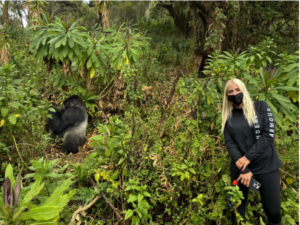
The Kyambura Gorge, a dramatic forested ravine within the park, harbors a habituated chimpanzee community accessible through guided tracking experiences. While chimpanzee sightings here involve more uncertainty than Kibale Forest due to the gorge’s smaller chimpanzee population, successful encounters in this spectacular setting provide memorable additions to savannah safaris.
Queen Elizabeth National Park safaris typically span two to four days, combining boat cruises, game drives, and optionally chimpanzee tracking. Accommodation options range from budget campsites to mid-range lodges like Bush Lodge and luxury properties including Mweya Safari Lodge and Kyambura Gorge Lodge, positioned strategically for optimal wildlife viewing access.
Murchison Falls National Park: Where Power Meets Wildlife Abundance
Murchison Falls National Park, Uganda’s largest protected area at 3,840 square kilometers, combines dramatic natural spectacle with exceptional wildlife viewing. The park derives its name from the magnificent Murchison Falls where the entire Nile River explodes through a seven-meter gap in the rocks, creating a thunderous cascade of incredible power and beauty that has captivated visitors since explorers first documented it in the 19th century.
Wildlife concentrations along the northern bank of the Victoria Nile rival any East African reserve. Elephants, which suffered devastating poaching in previous decades, have recovered to healthy populations exceeding 1,000 individuals. Rothschild’s giraffes, an endangered subspecies found in only a few locations globally, thrive here with populations carefully managed through conservation programs. Lions, leopards, spotted hyenas, and various antelope species including Uganda kob, Jackson’s hartebeest, and oribi populate the Buligi Peninsula and northern plains, creating game viewing of exceptional quality.
Boat safaris on the Victoria Nile to the base of Murchison Falls provide unforgettable wildlife encounters. Hundreds of hippos wallow in the river, massive Nile crocodiles bask on sandbanks, and elephants, buffalo, and waterbuck congregate along riverbanks. The journey culminates at the falls’ base where the full power of the cascading Nile can be appreciated, with spray creating permanent rainbows and the thunderous roar dominating sensory experience.
The park’s southern Budongo Forest harbors habituated chimpanzee communities accessible through tracking experiences organized by the Budongo Conservation Field Station. This forest also supports exceptional birding with over 360 species recorded, including the rare chocolate-backed kingfisher and numerous forest specialists appealing to serious birders.
Murchison Falls safaris typically require three to four days for comprehensive exploration, combining game drives, boat trips to the falls, optional hiking to the falls’ top, and potentially chimpanzee tracking in Budongo. Accommodation spans budget campsites to luxury lodges including Paraa Safari Lodge, Nile Safari Lodge, and Baker’s Lodge, positioned along the Nile or overlooking prime wildlife areas.
Kibale Forest National Park: The Primate Capital of the World
Kibale Forest National Park claims distinction as the world’s primate capital, protecting 13 primate species within 795 square kilometers of tropical rainforest in western Uganda. While chimpanzees represent the primary attraction, the park’s primate diversity creates exceptional opportunities for observing various species and understanding forest ecosystem complexity.
Chimpanzee tracking in Kibale offers approximately 90% success rates, among the highest for wild chimpanzee encounters globally. With over 1,500 chimpanzees residing in the forest and five habituated communities, visitors enjoy intimate observations of these intelligent, social primates engaging in feeding, grooming, playing, and complex social interactions. The forest’s relatively flat terrain makes tracking physically less demanding than mountain gorilla trekking, appealing to a broader range of fitness levels.
The chimpanzee habituation experience, similar to gorilla habituation, allows participants to spend full days with chimpanzee communities still undergoing the habituation process. These extended encounters provide deeper insights into chimpanzee behavior, research methodologies, and the patient work required to habituate wild primates to human presence.
Beyond chimpanzees, Kibale’s primate diversity includes red colobus monkeys, black-and-white colobus, L’Hoest’s monkeys, blue monkeys, grey-cheeked mangabeys, red-tailed monkeys, and the nocturnal potto and galagos. The Bigodi Wetland Sanctuary on the park’s edge offers guided walks through papyrus swamps harboring numerous bird species, primates, and occasional sitatunga antelopes.
Kibale’s 375 bird species include African pitta, green-breasted pitta, and various hornbills, barbets, and forest specialists. The park’s proximity to Queen Elizabeth National Park enables efficient combinations of primate tracking with traditional savannah safaris, creating comprehensive wildlife itineraries within compact geographical areas.
Kibale safaris typically span two to three days, combining chimpanzee tracking or habituation experiences with forest walks and Bigodi wetland visits. Accommodation options include Primate Lodge Kibale, Ndali Lodge, and Papaya Lake Lodge, offering comfort levels from mid-range to luxury within convenient distances of tracking starting points.
Kidepo Valley National Park: Remote Wilderness and Rare Species
Kidepo Valley National Park represents Uganda’s most remote and arguably most spectacular wilderness area, occupying 1,442 square kilometers of rugged savannah in the far northeast near borders with South Sudan and Kenya. This isolation has preserved exceptional wilderness character and wildlife populations that include species found nowhere else in Uganda, rewarding intrepid travelers willing to invest in reaching this distant frontier.
The park’s dramatic landscapes feature the Narus Valley, a prime wildlife viewing area with permanent water sources attracting concentrations of elephants, buffalo, zebras, Jackson’s hartebeest, and various antelope species. The surrounding mountain ranges create stunning backdrops, with seasonal transformations from arid brown to lush green adding visual drama to wildlife encounters.
Kidepo’s wildlife specialties include several species absent from other Ugandan parks. Cheetahs roam the open plains, a rarity in Uganda where forest and wetland habitats predominate. Ostriches, Africa’s largest birds, stride across the landscape. Bat-eared foxes, caracals, aardwolves, and striped hyenas supplement the more common predators, creating exceptional biodiversity that appeals particularly to wildlife enthusiasts seeking comprehensive species lists.
The park’s remoteness and limited tourist numbers create wilderness experiences of exceptional authenticity. Game drives often proceed without encountering other vehicles, allowing immersive wildlife viewing free from the crowds common in more accessible parks. The cultural context adds richness, with the Karamojong people’s traditional pastoralist lifestyles providing fascinating insights into human-wildlife coexistence in harsh semi-arid environments.
Kidepo safaris require significant commitment, with access involving either 10-12 hour drives from Kampala or domestic flights to Kidepo airstrip. Three to four days minimum allows adequate time for game drives, cultural encounters, and appreciation of the park’s wilderness character. Accommodation options are limited but improving, with Apoka Safari Lodge offering luxury comfort and several mid-range options providing acceptable standards in remote conditions.
Mgahinga Gorilla National Park: Volcanoes and Golden Monkeys
Mgahinga Gorilla National Park, Uganda’s smallest national park at 33.7 square kilometers, occupies the Ugandan slopes of the Virunga volcanoes, creating dramatic high-altitude landscapes distinct from Uganda’s other parks. The park harbors one habituated mountain gorilla family—the Nyakagezi group—alongside golden monkey populations and opportunities for volcano hiking on three peaks: Mount Muhabura, Mount Gahinga, and Mount Sabyinyo.
Golden monkey tracking provides distinctive primate encounters complementing gorilla trekking. These endangered primates, characterized by striking golden-orange fur patches, inhabit bamboo forests on volcanic slopes, displaying acrobatic movements and social dynamics that contrast with gorillas’ calm demeanor. The combination of gorilla and golden monkey tracking within a single compact park creates efficient itineraries for travelers seeking diverse primate experiences.
Volcano hiking appeals to adventure enthusiasts, with ascents ranging from moderate day hikes to challenging summit attempts. Mount Sabyinyo’s peak marks the junction of Uganda, Rwanda, and DRC borders, offering the unique opportunity to stand in three countries simultaneously. These volcanic landscapes provide spectacular photography opportunities and physical challenges complementing wildlife viewing.
The park’s Batwa cultural experiences illuminate the indigenous forest dwellers’ historical relationship with these mountains, their traditional knowledge systems, and the cultural impacts of displacement when the park was established. These encounters add cultural depth often missing from pure wildlife experiences.
Mgahinga safaris typically combine with Bwindi, creating comprehensive southwestern Uganda itineraries featuring mountain gorillas, golden monkeys, chimpanzees, and traditional savannah wildlife. Accommodation near Mgahinga ranges from budget facilities to comfortable mid-range lodges like Mount Gahinga Lodge, though luxury options remain limited compared to Bwindi.
Lake Mburo National Park: Accessible Savannah and Water-Based Wildlife
Lake Mburo National Park, Uganda’s smallest savannah park at 370 square kilometers, offers accessible wildlife viewing just 240 kilometers from Kampala, making it ideal for shorter safaris or additions to longer itineraries. The park’s landscapes feature acacia woodlands, wetlands, and five lakes, creating diverse habitats supporting wildlife populations distinct from larger northern parks.
The park’s specialties include large populations of zebras, impalas (not found in other Ugandan parks), and elands. Leopards, though elusive, inhabit the park alongside spotted hyenas, jackals, and various smaller predators. Hippos populate the lakes, while crocodiles bask along shorelines. The park’s manageable size and open habitats facilitate wildlife viewing, with frequent sightings even during shorter visits.
Lake Mburo offers unique activities including horseback safaris providing different perspectives on wildlife, boat cruises revealing aquatic birdlife and hippos, and guided nature walks where visitors explore on foot with armed rangers. These diverse activities appeal to travelers seeking varied engagement methods beyond traditional vehicle-based game drives.
The park’s 350 bird species include specialties like African finfoot, papyrus yellow warbler, and numerous water-associated species. Birders appreciate Lake Mburo’s accessibility and the concentrated viewing opportunities its smaller size provides.
Lake Mburo safaris often serve as convenient additions when traveling between Kampala and western parks like Bwindi or Queen Elizabeth. One to two days suffices for experiencing the park’s highlights, with accommodation options including Mihingo Lodge offering luxury comfort and several mid-range properties providing acceptable standards.
Combining Parks for Comprehensive Wildlife Safaris
Uganda’s compact geography relative to its biodiversity enables efficient multi-park itineraries that showcase remarkable wildlife variety within manageable timeframes and reasonable travel distances. Classic combinations create comprehensive experiences balancing primates, savannah wildlife, and diverse ecosystems.
The western circuit combines Bwindi or Mgahinga for gorillas, Kibale for chimpanzees, and Queen Elizabeth for traditional game viewing. This combination, typically spanning 8-12 days, delivers Africa’s most comprehensive primate viewing alongside classic safari wildlife within a geographically efficient route. Travel between parks involves 4-6 hour drives through scenic landscapes, with opportunities for cultural stops and sightseeing.
Northern circuits focus on Murchison Falls for spectacular scenery and abundant wildlife, potentially extending to Kidepo for wilderness experiences and rare species. These itineraries appeal to travelers prioritizing savannah wildlife over primates, offering some of Uganda’s most dramatic landscapes and least crowded game viewing.
Comprehensive Uganda grand tours combining multiple regions span 14-21 days, incorporating western primate parks, northern savannah reserves, and potentially Lake Mburo or cultural extensions. These ambitious itineraries provide thorough exploration of Uganda’s wildlife diversity but require significant time investments and stamina for extensive travel.
Conclusion
The top wildlife safaris in Uganda reveal a country of exceptional biodiversity where mountain gorillas share landscapes with tree-climbing lions, chimpanzees inhabit forests mere hours from hippo-filled waterways, and rare species populate remote wilderness areas of stunning beauty. From the ancient rainforests of Bwindi to the thundering waters of Murchison Falls, from the primate-rich forests of Kibale to the remote plains of Kidepo, Uganda offers safari experiences combining intimacy, diversity, and value that few African destinations can match.
What distinguishes Uganda is the remarkable concentration of unique experiences within a relatively compact, accessible nation. Where else can travelers encounter both mountain gorillas and tree-climbing lions, track chimpanzees and enjoy classic savannah game drives, all within seamless itineraries spanning days rather than weeks? This diversity, combined with competitive pricing compared to neighboring countries, increasing infrastructure quality, and warm Ugandan hospitality, positions Uganda among Africa’s premier wildlife destinations.
The top wildlife safaris in Uganda transcend simple game viewing to create transformative encounters with some of Earth’s most endangered and remarkable species, set against landscapes of exceptional beauty and maintained through conservation programs that serve as models for sustainable wildlife tourism. Whether your passion focuses on primates or predators, birds or big game, wilderness solitude or accessible adventures, Uganda’s national parks deliver experiences worthy of the Pearl of Africa designation, creating memories that inspire lifelong commitments to wildlife conservation and natural heritage protection.
Key Takeaways
- Bwindi Impenetrable Forest harbors 459 mountain gorillas across 19 habituated families, offering the world’s best gorilla trekking opportunities with permits at $800
- Queen Elizabeth National Park provides classic savannah safaris featuring tree-climbing lions, boat cruises with massive hippo concentrations, and over 95 mammal species
- Murchison Falls combines dramatic natural spectacle with exceptional wildlife including elephants, endangered Rothschild’s giraffes, lions, and abundant Nile River wildlife
- Kibale Forest protects 13 primate species including 1,500+ chimpanzees, offering approximately 90% tracking success rates and full-day habituation experiences
- Kidepo Valley in remote northeastern Uganda rewards adventurous travelers with wilderness experiences, rare species including cheetahs and ostriches, and spectacular landscapes
- Lake Mburo offers accessible wildlife viewing just 3-4 hours from Kampala, featuring zebras, impalas, and unique horseback safari opportunities
- Uganda’s compact geography enables efficient multi-park itineraries combining primate tracking, traditional game viewing, and diverse ecosystems within 7-14 days
- Wildlife safari value in Uganda exceeds most African destinations, with lower permit costs, competitive accommodation rates, and exceptional biodiversity concentration
Frequently Asked Questions
What is the best time for wildlife safaris in Uganda?
Uganda offers year-round wildlife viewing, though optimal timing varies by priorities. The dry seasons from June-September and December-February provide easier travel conditions, better road access, and concentrated wildlife around water sources, ideal for traditional savannah game viewing. However, primate tracking succeeds equally well during wet seasons (March-May, October-November) when forests are lusher, trails more challenging but manageable, and tourist numbers lower. Birding peaks during wet seasons when migratory species arrive and resident species breed, displaying vibrant plumage. Many travelers find wet season advantages—fewer tourists, lower rates, lush scenery—outweigh muddy road disadvantages.
How long should I plan for a comprehensive Uganda wildlife safari?
Comprehensive Uganda safaris require 10-14 days minimum to experience major highlights without feeling rushed. A typical itinerary includes 3-4 days in Bwindi for gorilla trekking, 2-3 days in Kibale for chimpanzees, 2-3 days in Queen Elizabeth for savannah wildlife, and 2-3 days in Murchison Falls. This allows adequate time for key wildlife activities while accounting for travel between parks. Budget-conscious travelers or those with limited time can experience Uganda highlights in 7-8 days by focusing on western circuit parks (Bwindi, Kibale, Queen Elizabeth). Extended safaris of 14-21 days enable inclusion of Kidepo Valley, Mgahinga, cultural experiences, and relaxed pacing.
Can I see the Big Five in Uganda?
Uganda hosts four of Africa’s Big Five—lions, leopards, elephants, and buffalo are present in multiple parks, particularly Queen Elizabeth, Murchison Falls, and Kidepo Valley. However, black rhinos, the fifth member, were hunted to extinction in Uganda by 1982. White rhinos have been successfully reintroduced to Ziwa Rhino Sanctuary between Kampala and Murchison Falls, where tracking experiences allow close rhino encounters. While technically not completing the Big Five within national parks, Uganda’s exceptional primate viewing—particularly mountain gorillas and chimpanzees—offers wildlife encounters many consider superior to traditional Big Five safaris.
How do Uganda wildlife safari costs compare to other African destinations?
Uganda offers exceptional value compared to premium East African destinations like Rwanda, Tanzania, and Kenya. Gorilla permits cost $800 versus Rwanda’s $1,500, immediately generating substantial savings. Accommodation across budget, mid-range, and even luxury categories typically costs less than equivalents in Tanzania or Kenya. A comprehensive 10-day Uganda safari including gorilla and chimpanzee tracking typically costs $3,000-6,000 per person depending on accommodation levels, compared to $5,000-10,000+ for comparable experiences in Rwanda or Tanzania. This value proposition makes Uganda particularly attractive for travelers seeking diverse wildlife experiences within moderate budgets.
Is Uganda safe for wildlife safaris?
Uganda is generally safe for tourism, with the safari regions of western and northern Uganda experiencing minimal security issues. The government prioritizes tourist safety, and national parks maintain professional security protocols. However, travelers should observe standard precautions: use reputable tour operators, avoid traveling at night, secure valuables, and follow guide instructions during wildlife encounters. The northeastern region near South Sudan borders requires more caution, though Kidepo Valley National Park itself operates safely with proper arrangements. Checking current travel advisories and working with established operators ensures safe, enjoyable safari experiences.
Can I do self-drive wildlife safaris in Uganda?
Self-drive safaris are possible in Uganda, with several companies renting 4WD vehicles equipped for safari conditions. However, most visitors benefit from using professional guides and drivers who possess superior wildlife spotting skills, understand animal behavior, know optimal viewing locations and timing, and handle logistics efficiently. Roads between parks vary from excellent highways to challenging murky tracks, with navigation requiring local knowledge. For primate tracking, guides are mandatory regardless of whether you self-drive to parks. Self-drive appeals mainly to experienced African travelers comfortable with challenging driving conditions and willing to invest time researching routes, park regulations, and accommodation booking.
What should I pack for a Uganda wildlife safari?
Essential items include: neutral-colored clothing (long sleeves and trousers for forest protection), waterproof hiking boots with ankle support for primate tracking, comfortable walking shoes for lodges, lightweight rain jacket and rain pants, warm layers for cool forest mornings and evenings, sun hat and sunscreen, insect repellent, binoculars for wildlife and bird viewing, camera with extra batteries and memory cards, daypack for tracking activities, refillable water bottle, personal medications, and copies of important documents. Avoid camouflage clothing (associated with the military) and bright colors that disturb wildlife. Pack light, as most lodges offer laundry services, and internal flights have strict luggage limits.