The Ngorongoro Crater stands as one of Africa’s most spectacular natural wonders—a vast volcanic caldera sheltering the world’s densest concentration of large mammals within its 260-square-kilometer floor. While this UNESCO World Heritage Site attracts thousands of visitors annually, a Ngorongoro Crater private safari elevates the experience to extraordinary heights, offering exclusive game viewing, personalized itineraries, and intimate encounters with the Big Five in one of Earth’s most breathtaking natural amphitheaters. This comprehensive guide explores everything you need to know about planning a private crater safari that transforms this iconic destination from merely impressive to truly unforgettable.
Understanding the Ngorongoro Crater Experience
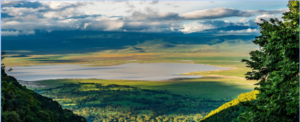
The Ngorongoro Crater formed approximately 2-3 million years ago when a massive volcano, possibly as tall as Kilimanjaro, collapsed inward following a catastrophic eruption. The resulting caldera—the world’s largest intact and unfilled volcanic crater—created a unique ecosystem where wildlife flourishes within natural boundaries formed by 600-meter-high crater walls.
This geological marvel functions as a natural enclosure hosting approximately 25,000 large animals within the crater floor. The ecosystem’s self-contained nature means exceptional wildlife density, with the Big Five (lion, leopard, elephant, buffalo, and the critically endangered black rhino) all present and regularly visible during single game drives. Few places on Earth offer such reliable Big Five sightings within such a compact, spectacular setting.
A Ngorongoro Crater private safari distinguishes itself from standard group tours through exclusive use of vehicles, personalized guide services, flexible schedules, and often privileged access to premium viewing areas. Rather than sharing vehicles with unknown travelers or adhering to rigid group itineraries, private safaris deliver tailored experiences that match your pace, interests, and photographic priorities.
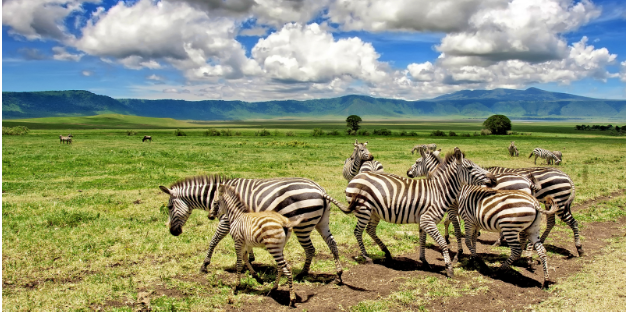
The crater floor’s landscape diversity enhances wildlife viewing. Open grasslands support vast herds of wildebeest, zebra, and gazelle. The permanent Ngoitokitok Springs and seasonal Lake Magadi attract hippos, flamingos, and countless water birds. Acacia forests provide habitat for elephants and leopards, while swamps support dense bird populations. This habitat variety concentrates diverse species within easily accessible viewing distance.
The Private Safari Advantage
Private safaris to Ngorongoro Crater offer advantages that fundamentally transform the experience. Vehicle exclusivity means you control your pace—spending extra time with a hunting lioness, positioning for optimal photography angles, or lingering at a rhino sighting that others must rush past due to group schedules.
Guide dedication enhances every aspect of your crater experience. Private guides focus exclusively on your interests rather than balancing multiple passengers’ competing priorities. If you’re passionate about bird photography, your guide positions for avian subjects. If predator behavior fascinates you, guides track cats and provide behavioral insights. This personalization creates educational depth impossible in standard group tours.
Schedule flexibility represents perhaps the most significant private safari advantage. You determine departure times from your lodge, the duration spent on the crater floor (within park regulations), when to break for picnic lunches, and how long to observe specific wildlife. This flexibility eliminates the compromises inherent in group travel where individual preferences compete constantly.
Access to exclusive experiences often accompanies private safaris. Some luxury lodges offer private viewing areas, exclusive picnic sites away from crowded designated spots, or early morning crater floor access before general visitor traffic intensifies. These privileges, while subtle, significantly enhance the wilderness atmosphere and photographic opportunities.
Privacy and intimacy within your group create more meaningful experiences. Whether traveling as a couple, family, or close friends, private safaris allow natural conversation, shared excitement over sightings, and spontaneous decision-making without consideration of strangers’ preferences or schedules. This intimacy particularly benefits honeymooners, families with children, or photographers requiring specific positioning and timing.
Crater Floor Game Drive Dynamics
Understanding Ngorongoro Crater’s game drive logistics helps set realistic expectations for your private safari. Crater access requires descending via one of several steep roads carved into the caldera walls—a dramatic 30-40 minute descent offering spectacular viewpoints and often wildlife sightings on the forested slopes.
Time restrictions apply to crater floor visits. Conservation area regulations mandate all vehicles exit the crater floor by 6:00 PM, with most safaris spending 5-7 hours on the floor. This limitation, while potentially frustrating, helps manage visitor pressure and protects the ecosystem. Private safaris maximize these hours through efficient routing and focused game viewing based on your priorities.
The crater floor circuit follows established tracks that vehicles must remain on, with off-road driving prohibited except in designated areas. While this limits exploration compared to some parks, the wildlife density means exceptional viewing from maintained routes. Private guides’ experience helps them anticipate animal movements and position vehicles optimally within allowed areas.
Crowd management becomes relevant during peak seasons (June-October, December-February) when numerous vehicles concentrate on the crater floor. Morning descents typically encounter fewer vehicles than midday periods when day-trippers from Arusha arrive. Private safaris can strategically time descents for optimal solitude, though complete isolation remains impossible during high season.
Vehicle congestion at major sightings, particularly black rhino observations, tests patience during peak periods. Multiple vehicles often cluster around these rare and sought-after animals. Private safari guides typically adopt patient approaches—waiting for crowds to disperse, positioning thoughtfully without contributing to congestion, or finding alternative sightings while others fixate on single animals.
Black Rhino: The Crater’s Crown Jewel
The Ngorongoro Crater harbors one of Tanzania’s most important black rhino populations, with approximately 30-40 individuals representing a conservation success story in the face of catastrophic continental declines. For many visitors, spotting these critically endangered giants represents the pinnacle achievement of their crater safari.
Black rhinos in Ngorongoro face ongoing poaching threats despite intensive protection efforts. Their presence in such an accessible location makes them both visible to tourists and vulnerable to criminals. Conservation fees from private safaris and all visitors directly fund anti-poaching patrols, veterinary interventions, and habitat protection that sustains this precious population.
Sighting black rhinos requires patience, timing, and some luck. These solitary animals range across the crater floor, often favoring certain areas but remaining unpredictable. Experienced private guides maintain networks sharing recent sighting locations, significantly improving odds. However, rhinos remain wild animals whose movements can’t be guaranteed, and some visitors complete crater safaris without rhino encounters despite best efforts.
Photography of black rhinos demands appropriate equipment and positioning. These prehistoric-looking creatures reward telephoto lenses (400mm+) that capture their imposing presence without requiring disruptively close approaches. Private safaris allow time for patient photography—waiting for optimal lighting, clear sight lines, and behavioral moments rather than rushed snapshots from vehicles preparing to move on.
The emotional impact of encountering these rare survivors resonates deeply with conservation-minded travelers. Knowing you’re observing one of perhaps 5,000 black rhinos remaining in the wild, protected within this natural fortress, creates profound connections to conservation challenges and successes.
Optimal Timing and Seasonal Considerations
While the Ngorongoro Crater offers year-round wildlife viewing, timing your private safari influences specific experiences and conditions. The dry season (June-October) provides easiest wildlife viewing as animals concentrate around permanent water sources and vegetation thins out. Clear skies create spectacular crater rim views, though this period attracts peak visitor numbers, potentially diminishing the exclusive atmosphere private safaris provide.
The green season (November-May) transforms the crater floor into lush, emerald grasslands following rains. Migratory bird populations explode with stunning species arriving from Europe and Asia. Newborn animals appear, attracting predators and creating dynamic hunting scenarios. Fewer tourists visit during green season, enhancing the wilderness experience despite occasional afternoon rain showers that can temporarily disrupt game drives.
January through March sees wildebeest migration herds occasionally entering the crater, though their presence is unpredictable and they don’t remain long-term. The southern Serengeti plains nearby host calving season during this period, making combined itineraries particularly rewarding.
April and May represent the wettest months with heavy rains that can make crater access challenging and reduce wildlife visibility. However, dramatic storm clouds, vibrant rainbows, and the crater’s most lush appearance create photographic opportunities unavailable during dry periods. Budget travelers find significant accommodation discounts during these “low season” months.
Morning versus afternoon crater descents each offer distinct advantages. Morning descents (6:00-7:00 AM) encounter peak animal activity as nocturnal species settle and diurnal animals begin foraging. Morning light provides excellent photography conditions. Afternoon descents avoid mid-morning crowds but face harsh midday lighting and often less active wildlife, though late afternoon light improves as 6:00 PM exit approaches.
Luxury Crater Rim Accommodations
Private Ngorongoro Crater safaris typically pair with luxury crater rim lodges offering spectacular views, exceptional service, and privileged crater access. These accommodations significantly influence your overall experience, providing the comfort and exclusivity that complement private safari services.
Ngorongoro Crater Lodge, operated by andBeyond, represents the pinnacle of crater rim luxury. This baroque-styled property features lavish suites with floor-to-ceiling windows overlooking the crater, butler service, gourmet dining, and direct crater access. The lodge’s exclusivity, prime location, and exceptional service make it the preferred choice for ultra-luxury private safaris, though rates often exceed $1,500 per person per night.
The Manor at Ngorongoro, located slightly outside the conservation area, offers Cape Dutch-style elegance with spacious suites, gardens, and a more relaxed atmosphere than lodges perched directly on the crater rim. Its location requires slightly longer transfers to crater access points but provides excellent value compared to rim lodges while maintaining high luxury standards.
Ngorongoro Serena Safari Lodge provides reliable mid-luxury accommodations with crater rim positioning, comfortable rooms, and consistent service. This property appeals to travelers seeking quality without the extreme premium of ultra-luxury lodges, offering crater views and convenient access at more accessible price points ($400-700 per night).
The Highlands, an innovative eco-lodge featuring geodesic dome accommodations, creates unique safari experiences with dramatic architecture, sustainability focus, and access to the Olmoti Crater and Empakaai Crater for walking safaris—activities that complement traditional crater floor game drives with adventurous alternatives.
Budget travelers can utilize Simba Campsite on the crater rim, though this option loses the luxury elements that typically accompany private safaris. The campsite provides basic facilities with spectacular views at minimal cost, suitable for self-sufficient travelers who’ve arranged private vehicles and guides separately.
Integrating Ngorongoro into Broader Itineraries
Most Ngorongoro Crater private safari form components of broader northern Tanzania itineraries rather than standalone destinations. The crater’s compact nature means single full-day visits typically suffice for comprehensive wildlife exposure, though some travelers enjoy multiple crater descents across 2-3 days to capture different lighting conditions or increase rhino sighting odds.
Classic northern circuit combinations pair Ngorongoro with the Serengeti, creating the ultimate Tanzania safari experience. These two UNESCO World Heritage Sites complement each other perfectly—the Serengeti’s vast plains and migration spectacles contrasting beautifully with Ngorongoro’s concentrated wildlife and dramatic geological setting. Private safari itineraries typically allocate 3-4 days for Serengeti and 1-2 days for Ngorongoro.
Tarangire National Park adds excellent dry-season elephant viewing and distinctive baobab landscapes. Located between Arusha and Ngorongoro, Tarangire serves as either an introductory or concluding safari destination, adding 2-3 days to comprehensive private itineraries. The park’s lower visitor numbers compared to Ngorongoro and Serengeti provide enhanced exclusivity.
Lake Manyara National Park, while small, offers tree-climbing lions, diverse habitats from groundwater forests to alkaline lakes, and exceptional birdlife. Its proximity to Ngorongoro makes it a convenient addition requiring just one day, often visited en route between destinations.
Cultural experiences with Maasai communities can enrich private Ngorongoro itineraries. The conservation area permits Maasai pastoralism, and several cultural tourism programs offer authentic interactions. Private safaris can incorporate village visits, walking tours with Maasai guides, or cultural performances arranged exclusively for your group.
Walking safaris in the Ngorongoro Highlands provide adventurous alternatives to vehicle-based game viewing. The crater rim, Olmoti Crater, and Empakaai Crater all permit accompanied walks offering perspectives on smaller ecosystems, stunning viewpoints, and physical engagement with the landscape impossible from vehicles.
Photography on Private Crater Safaris
The Ngorongoro Crater presents exceptional photographic opportunities that private safaris optimize through patience, positioning, and flexibility. The dramatic backdrop of crater walls surrounding the action creates compositional elements that elevate wildlife photography beyond simple animal portraits.
Equipment considerations include telephoto lenses (400-600mm) for wildlife details and intimate portraits, while wide-angle lenses (16-35mm) capture the crater’s grand scale and landscape context. The crater floor’s open terrain often permits closer approaches than dense bush environments, though powerful telephoto lenses remain valuable for frame-filling compositions and distant subjects.
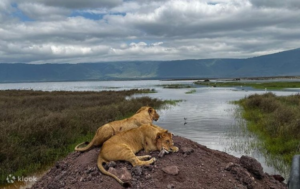
Lighting varies dramatically throughout the day. Morning light on the crater floor tends toward golden tones as sun angles over the eastern rim, creating warm, flattering illumination. Midday harsh overhead light reduces contrast and creates problematic shadows, though cloudy days during green season provide even, soft lighting excellent for photography. Late afternoon light returns to warm tones before the mandatory 6:00 PM exit.
Private safari advantages for photography include unlimited positioning time at sightings, returning to specific locations when lighting improves, and guide cooperation in anticipating animal movements for action photography. Your guide can position vehicles considering sun angles, backgrounds, and compositional elements rather than just ensuring visibility.
The crater’s reliable wildlife density means you’ll likely photograph the full Big Five plus numerous other species during single visits. This abundance allows selective shooting—waiting for behavioral moments, optimal lighting, or clean backgrounds rather than shooting every animal encountered. Quality over quantity becomes achievable when time pressure doesn’t drive rushed photography.
Conservation and Responsible Tourism
Private Ngorongoro Crater safaris carry particular responsibility to support conservation given the ecosystem’s fragility and wildlife value. The crater’s contained nature makes it vulnerable to tourist pressure, and visitor behaviors directly impact wildlife and habitat health.
Conservation fees paid during private safaris fund the Ngorongoro Conservation Area Authority’s operations including anti-poaching patrols, veterinary services, road maintenance, and community development programs. These fees ($70+ per person per day) represent significant conservation funding that directly protects the wildlife you’re enjoying.
Responsible wildlife viewing practices matter enormously. Maintaining appropriate distances, never harassing animals for better photos, respecting vehicle number limits at sightings, and following guide instructions protects both wildlife and habitats. Private safari operators committed to conservation educate clients about these practices and enforce them despite occasional client pressure for closer approaches.
The balance between tourism and conservation in Ngorongoro remains delicate. The conservation area must support both wildlife conservation and Maasai pastoralist communities while generating tourism revenue. Private safaris that respect regulations, support ethical operators, and engage with conservation programs contribute to sustainable outcomes.
Human-wildlife conflict mitigation benefits from tourism support. Crater lions occasionally leave the caldera, threatening Maasai livestock. Conservation programs funded partly by tourism fees compensate communities for livestock losses and support conflict reduction initiatives. Your private safari expenditures indirectly support these crucial programs.
Planning Logistics and Practical Considerations
Booking a Ngorongoro Crater private safari requires advance planning, particularly for peak season travel. Premium crater rim lodges fill up 6-12 months ahead for high season (June-October, December-February), and securing preferred accommodations determines overall experience quality.
Private safari costs vary dramatically based on accommodation choices, vehicle type, guide qualifications, and included services. Budget around $800-2,000 per person per day for comprehensive private crater safaris including luxury accommodations, all meals, private 4×4 vehicles, professional guides, and conservation fees. Ultra-luxury options at properties like Ngorongoro Crater Lodge can exceed $2,500 per person daily.
Vehicle selection influences comfort during crater descents and floor game drives. Purpose-built safari Land Cruisers with pop-up roofs, comfortable seating, and charging ports for camera batteries provide optimal platforms. Private safaris typically use these premium vehicles compared to budget group tours that may utilize more basic transportation.
Guide selection represents one of your most important decisions. Request experienced guides with strong crater knowledge, wildlife expertise, and language skills matching your group. The best guides transform good safaris into exceptional ones through their tracking abilities, behavioral insights, and positioning skills.
Health preparations include malaria prophylaxis as the crater floor falls within malaria zones despite the rim’s higher altitude. Altitude considerations apply for crater rim lodges at 2,200+ meters—some travelers experience mild altitude effects including headaches or breathlessness, particularly those flying directly from sea level.
Conclusion
A Ngorongoro Crater private safari represents investment in one of Africa’s most extraordinary wildlife experiences, transforming an already spectacular destination into a personalized journey of discovery within Earth’s largest intact volcanic caldera. The combination of exclusive vehicle use, dedicated guides, flexible scheduling, and luxury accommodations elevates crater viewing beyond standard tourism into genuinely transformative encounters with nature.
The crater’s unique ecology—hosting Africa’s densest large mammal population within a dramatic natural amphitheater—creates unparalleled wildlife viewing reliability. Few destinations offer such consistent Big Five sightings within such compact, accessible areas. The presence of critically endangered black rhinos adds conservation significance that enhances every sighting’s emotional resonance.
While private safaris demand higher investment than group tours, the returns justify costs for travelers seeking maximum quality, flexibility, and exclusivity. The ability to control your pace, focus on personal interests, and experience the crater without the compromises group travel requires creates memories and photographic opportunities that standard tours cannot match.
Success requires partnering with reputable operators who understand the crater’s dynamics, maintain relationships with quality lodges, and prioritize conservation alongside client satisfaction. The investment in a Ngorongoro Crater private safari delivers dividends in wildlife encounters, landscape appreciation, and the profound privilege of experiencing one of Africa’s greatest natural wonders on your own terms.
Key Takeaways
- Ngorongoro Crater hosts approximately 25,000 large animals within 260 square kilometers, creating the world’s densest large mammal concentration
- Private safaris offer exclusive vehicle use, personalized guides, flexible schedules, and often privileged access to premium viewing areas
- The crater floor hosts all Big Five, with 30-40 critically endangered black rhinos representing particular conservation significance
- Time on crater floor is limited to approximately 6-7 hours with mandatory 6:00 PM exit under conservation area regulations
- Dry season (June-October) provides optimal wildlife viewing but attracts peak crowds; green season (November-May) offers lush landscapes and fewer visitors
- Premium crater rim lodges like Ngorongoro Crater Lodge and The Manor at Ngorongoro complement private safaris with luxury accommodations
- Private safari costs range $800-2,500+ per person per day depending on accommodation level and included services
- Single full-day crater visits typically suffice for comprehensive wildlife viewing, though multiple descents can increase rare sighting opportunities
- Morning crater descents encounter more active wildlife and better lighting while avoiding mid-morning crowd peaks
- Photography benefits enormously from private safari flexibility allowing optimal positioning and patient waiting for behavioral moments
- Conservation fees from private safaris fund anti-poaching patrols, veterinary services, and community programs protecting the ecosystem
- Booking 6-12 months ahead is essential for peak season travel to secure preferred accommodations and private guide services
Frequently Asked Questions
How much does a Ngorongoro Crater private safari cost? Comprehensive private crater safaris cost $800-2,000 per person per day for mid-luxury to luxury experiences, including private 4×4 vehicles, professional guides, luxury accommodations, meals, and conservation fees. Ultra-luxury options at properties like Ngorongoro Crater Lodge exceed $2,500 daily. Budget options using basic lodges or camping with private vehicles start around $400-600 daily. Multi-day private safaris combining Ngorongoro with Serengeti typically cost $4,000-15,000+ per person total.
What are the chances of seeing black rhino in Ngorongoro? Black rhino sighting probability is approximately 60-80% during full-day crater visits, though not guaranteed as these are wild, solitary animals whose movements are unpredictable. Experienced guides maintain communication networks sharing recent sighting locations, significantly improving odds. Morning game drives offer slightly better chances as rhinos are more active in cooler temperatures. Multiple crater visits across successive days increase sighting probability to near certainty.
How long should I spend at Ngorongoro Crater? Most travelers allocate 1-2 full days for Ngorongoro Crater experiences. A single full day (6-7 hours on crater floor) provides comprehensive wildlife viewing including all major species and habitats. Two days allow multiple descents at different times for varied lighting, increased rare animal sighting odds, and incorporation of walking safaris in the Ngorongoro Highlands or cultural visits. The crater’s compact nature means additional days offer diminishing returns compared to expanding itineraries to include Serengeti or other parks.
Can children participate in Ngorongoro Crater private safaris? Yes, Ngorongoro Crater safaris are generally suitable for children of all ages. The compact crater floor and reliable wildlife sightings maintain children’s interest better than extensive searching in larger parks. Private safari flexibility allows adjusting schedules for children’s needs—shorter game drives, returning to lodge for rest, or timing activities around nap schedules. Many crater rim lodges offer family rooms and child-friendly amenities. Walking safaris typically have minimum age requirements of 12-16 years depending on specific activities.
Is Ngorongoro Crater crowded? Crater floor crowds vary by season and time of day. Peak season (June-October, December-February) sees significant vehicle numbers, particularly mid-morning when day trips from Arusha arrive. Expect 40-80+ vehicles during peak periods, with concentrations at major sightings like black rhinos. Private safaris mitigate crowding through strategic timing—early morning descents, patient waiting for crowds to disperse, and experienced guides finding alternative sightings. Green season (November-May) offers substantially fewer visitors and enhanced wilderness atmosphere.
What’s better: Ngorongoro Crater or Serengeti? Both offer exceptional but different experiences that complement rather than compete. Ngorongoro provides concentrated wildlife in a dramatic, compact setting with nearly guaranteed Big Five sightings including rare black rhinos. The Serengeti offers vast landscapes, the Great Migration spectacle, and arguably superior predator sightings across diverse ecosystems. Ideal itineraries include both: Ngorongoro for concentrated wildlife and geological drama, Serengeti for migration experiences and expansive wilderness. If choosing only one, the Serengeti’s diversity and scale provide more comprehensive safari experiences, while Ngorongoro delivers higher wildlife density in shorter timeframes.