
A 1 week safari Kenya offers the perfect balance between comprehensive wildlife exploration and practical time constraints, providing sufficient duration to experience multiple ecosystems, diverse wildlife populations, and varied landscapes without requiring extended vacation periods. This carefully crafted timeframe allows travelers to visit 3-4 premier destinations, enjoy numerous game drives capturing different times of day, potentially witness the Great Migration during appropriate seasons, and still include cultural encounters or beach extensions creating well-rounded Kenyan experiences.
Seven days in Kenya’s remarkable national parks and reserves transforms casual tourists into passionate wildlife enthusiasts. The journey from Nairobi through iconic destinations like the Maasai Mara, Amboseli, Lake Nakuru, and Samburu reveals Kenya’s extraordinary biodiversity while showcasing landscapes ranging from savannah grasslands to alpine highlands, alkaline lakes to arid deserts. Whether prioritizing the Big Five, seeking specific migration timing, focusing on photography, or simply immersing in Africa’s wild beauty, a 1 week safari Kenya delivers transformative experiences justifying this East African nation’s reputation as the birthplace of safari tourism.
Optimal 1 Week Safari Itineraries
Several proven itineraries maximize wildlife diversity and minimize unproductive travel time during one week Kenya safaris. The optimal route depends on priorities, season, budget, and specific interests.
Classic Northern Circuit (7 Days)
Day 1-3: Maasai Mara National Reserve (3 nights) – Begin with Kenya’s flagship destination, allowing adequate time for multiple game drives across varied habitats. Three nights enable exploring different Mara sections, witnessing varied wildlife behaviors, and potentially observing dramatic predator-prey interactions or river crossings during migration season.
Day 4-5: Lake Nakuru National Park (2 nights) – Travel to this compact park famous for flamingos, rhinos, and tree-climbing leopards. Two nights allow thorough exploration despite the park’s modest size, with opportunities for bird watching and photographing dramatic Rift Valley scenery.
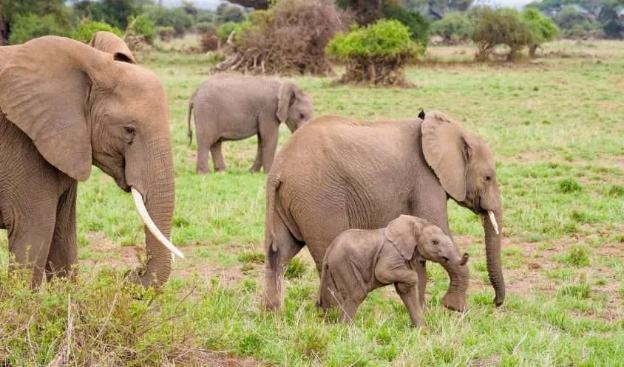
Day 6-7: Amboseli National Park (2 nights) – Conclude at Amboseli experiencing spectacular elephant herds against Mount Kilimanjaro’s backdrop. Two nights ensure capturing Kilimanjaro in clear conditions (often obscured by afternoon clouds) and observing Amboseli’s diverse wetland and plains wildlife.
This itinerary balances Kenya’s most iconic destinations, manageable drive times (4-5 hours between parks), and diverse ecosystems ensuring varied wildlife encounters.
Northern Wilderness Route (7 Days)
Day 1-2: Samburu National Reserve (2 nights) – Start in northern Kenya’s arid beauty, experiencing unique dry-country species including Grevy’s zebras, reticulated giraffes, Somali ostriches, and gerenuk antelopes found nowhere else in Kenya.
Day 3-5: Maasai Mara National Reserve (3 nights) – The Mara’s wildlife abundance justifies three nights allowing comprehensive exploration and multiple game viewing opportunities.
Day 6-7: Lake Naivasha or Lake Nakuru (2 nights) – Conclude with Rift Valley lake experiences offering bird watching, boat safaris (Naivasha), or rhino viewing (Nakuru).
This route provides maximum diversity—arid northern landscapes, classic savannah, and aquatic ecosystems—though involving longer drives between Samburu and the Mara (6-7 hours).
Migration-Focused Itinerary (July-October)
Day 1-5: Maasai Mara National Reserve (5 nights) – During migration season, maximize Mara time increasing chances of witnessing spectacular river crossings and experiencing massive herd concentrations. Five nights allow exploring different Mara sections where crossings occur and spending full days positioned near rivers when herds gather.
Day 6-7: Amboseli or Lake Nakuru (2 nights) – Brief visit to secondary destination adds diversity without diluting focus on migration experiences.
This itinerary suits travelers prioritizing migration over comprehensive park diversity, accepting reduced variety for enhanced probability of witnessing nature’s greatest wildlife spectacle.
Family-Friendly Itinerary (7 Days)
Day 1-3: Maasai Mara (3 nights) – The Mara’s abundant wildlife maintains children’s interest while offering varied activities.
Day 4-5: Lake Naivasha (2 nights) – Boat safaris, walking trails at Crescent Island, and Hell’s Gate National Park (cycling and walking among wildlife) provide interactive experiences engaging children.
Day 6-7: Amboseli (2 nights) – Elephant encounters fascinate children, while shorter drives suit young travelers.
This route minimizes very long drives while incorporating child-friendly activities beyond pure game viewing.
Day-by-Day Expectations
 Typical Safari Day Structure
Dawn game drives (6-9 AM) capture peak wildlife activity when temperatures remain cool and animals actively hunt, feed, or move. Departing at sunrise provides optimal lighting for photography while maximizing sighting opportunities.
Late morning returns to lodges for breakfast, rest, and midday relaxation when heat reduces wildlife activity. Swimming pools, lounges, and personal downtime prepare for afternoon adventures.
Afternoon game drives (4-6:30 PM) resume as temperatures moderate. Evening “golden hour” provides spectacular lighting while animals increase activity, predators stir for nighttime hunts, and dramatic African sunsets create unforgettable backdrops.
Evenings feature dinner, wildlife discussions with guides and fellow travelers, stargazing in unpolluted skies, and rest preparing for early morning departures.
Some lodges offer full-day game drives with packed breakfasts and lunches, eliminating midday returns and allowing exploring distant park sections or remaining positioned near significant sightings.
Wildlife Viewing Expectations
A well-planned 1 week safari Kenya typically yields impressive wildlife sightings across multiple Big Five species, though specific encounters depend on season, luck, and time invested.
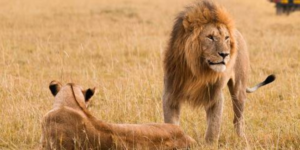
Lions are virtually guaranteed in the Maasai Mara and likely in other destinations. Expect multiple pride sightings, possibly hunting sequences, and dramatic interactions.
Leopards, while more elusive, appear regularly at Lake Nakuru (tree-climbing behavior) and potentially in the Mara’s riverine areas. Many week-long safaris include leopard encounters.
Elephants feature prominently at Amboseli (massive herds), the Mara (family groups), and Samburu (desert-adapted populations). Expect numerous elephant encounters throughout the week.
Buffalo congregate in large herds particularly in the Mara and Nakuru, creating impressive photographic subjects.
Rhinos prove most challenging—black rhinos at Lake Nakuru provide best opportunities, though sightings require luck despite the sanctuary’s protection.
Beyond the Big Five, expect abundant plains game (zebras, wildebeest, various antelopes), giraffes, hippos, cheetahs, hyenas, diverse bird species (over 400 species in most parks), and potentially wild dogs (rare but present in Samburu and Mara).
Accommodation Options and Budgeting
 Budget Tier ($1,200-1,800 per person)
Budget 1 week safari Kenya utilizes basic lodges or camping, larger group sizes (6-8 participants), and standard inclusions. Accommodations position outside park boundaries reducing costs while maintaining reasonable access. Expect simple but clean facilities, wholesome meals, and qualified guides. Budget safaris make Kenya accessible to cost-conscious travelers while delivering authentic wildlife experiences.
Mid-Range Tier ($2,200-3,500 per person)
Mid-range safaris balance comfort and value using quality lodges and permanent tented camps with good amenities, comfortable rooms, swimming pools, and better food. Smaller groups (4-6 participants), more experienced guides, and superior vehicle conditions enhance experiences. Most travelers find mid-range options optimal balancing quality and affordability.
Luxury Tier ($4,500-8,000+ per person)
Luxury safaris feature high-end tented camps and lodges offering spacious accommodations, gourmet dining, premium service, and exclusive locations often within private conservancies. Private guides and vehicles, enhanced activities (balloon safaris, walking safaris, night drives), and personalized attention justify premium pricing for travelers prioritizing ultimate comfort and exclusivity.
These rates typically include accommodation, meals, game drives, park fees, and guides but exclude international flights ($1,000-2,000 from Europe/US), tips ($20-30 daily for guides, $10 for lodge staff), visas ($50), optional activities, and personal expenses.
Transport Options: Road vs. Fly-In
Road Safaris
Standard road safaris use 4×4 vehicles traveling between destinations, offering several advantages: lower costs (included in most packages), scenic journeys through Kenyan landscapes, ground-level perspectives on communities and ecosystems, and flexibility for roadside stops. However, long drives consume time better spent viewing wildlife—Nairobi to Mara requires 5-6 hours, Mara to Samburu 6-7 hours.
Fly-In Safaris
Light aircraft transfers between destinations dramatically reduce travel time (45-60 minutes vs. 5-7 hours driving), allowing more game viewing time and covering greater distances within one week. Flights cost approximately $200-400 per segment but deliver superior experiences for time-conscious travelers or those uncomfortable with long rough roads. Fly-in safaris work particularly well for covering northern destinations (Samburu) combined with southern parks (Amboseli, Mara) where driving distances become excessive.
Hybrid Approach
Some itineraries combine road and air travel—perhaps flying to distant Samburu while driving between closer southern destinations—balancing time efficiency and costs.
Best Time for 1 Week Kenya Safari
Dry Seasons (June-October and January-March)
Dry seasons offer optimal conditions: concentrated wildlife around permanent water sources, excellent visibility through thinned vegetation, reliable weather, and easily passable roads. July-October includes Great Migration in the Mara but brings peak prices (50-100% above low season) and maximum crowds. January-March provides outstanding alternatives—excellent wildlife, pleasant weather, dramatically fewer tourists, and lower costs while missing migration spectacle.
Wet Seasons (April-May and November)
Wet seasons deliver compelling advantages: 40-60% lower costs making luxury properties affordable, minimal tourist crowds, lush green landscapes, newborn animals, and excellent bird watching with Palearctic migrants. However, afternoon rains may disrupt activities, some roads become muddy, and wildlife disperses more widely. Flexible travelers accepting occasional inconveniences discover exceptional value.
Shoulder Seasons
March and November offer optimal balances—good weather, reasonable wildlife concentrations, 20-30% lower costs than peak season, and manageable tourist numbers. These transitional periods deserve serious consideration from value-conscious travelers.
Practical Considerations
What to Pack
Essential items include neutral-colored clothing (khaki, olive, tan), layers for temperature variations (cool mornings 12-15°C warming to 25-30°C afternoons), comfortable walking shoes, sun protection (hat, sunglasses, SPF 50+ sunscreen), insect repellent with DEET, quality binoculars (8×42 or 10×42), camera with telephoto lens (300-600mm for wildlife), extra batteries and memory cards, headlamp, reusable water bottle, personal medications, and basic first aid supplies.
Health Preparations
Malaria prophylaxis is essential for most Kenyan parks—consult travel medicine specialists 4-6 weeks before departure. Yellow fever vaccination is required if arriving from endemic countries. Ensure routine vaccinations remain current. Comprehensive travel insurance covering medical evacuation proves essential for remote area travel.
Visa Requirements
Kenya offers convenient e-visas ($50) through online applications typically processed within 48-72 hours. Ensure passports remain valid six months beyond travel dates. Some nationalities receive visa-on-arrival, though e-visas prevent potential airport delays.
Physical Fitness
Standard game drive safaris require minimal fitness—primarily sitting in vehicles with occasional short walks. However, optional activities like walking safaris or climbing viewpoints demand moderate fitness. Inform operators about mobility limitations ensuring appropriate itinerary adjustments.
Extending Your Safari
Many travelers extend 1 week safaris adding beach relaxation, cultural experiences, or additional wildlife destinations.
Zanzibar or Coastal Beach Extensions (3-4 days) provide perfect post-safari relaxation combining Indian Ocean beaches, coral reef snorkeling, and Stone Town’s historic architecture. Most safaris easily extend from Nairobi to coast via flights (1-2 hours).
Additional Parks like Tsavo East/West (red elephants, vast wilderness) or Mount Kenya (highland forests, alpine scenery) add diversity for travelers with extra time.
Cultural Extensions might include visiting rural communities, tea plantations, or orphanages working with elephants and rhinos, adding depth beyond pure wildlife viewing.
Conclusion
A 1 week safari Kenya delivers extraordinary value, providing adequate time to experience multiple premier destinations, witness diverse wildlife across varied ecosystems, and create lifelong memories without requiring extended vacation periods or excessive budgets. Seven days allows visiting 3-4 parks, enjoying 8-12 game drives capturing different times and locations, and potentially combining wildlife viewing with cultural encounters or beach extensions creating comprehensive Kenyan experiences.
The flexibility of one week itineraries accommodates diverse interests and priorities—from migration-focused trips maximizing Mara time to comprehensive multi-park explorations showcasing Kenya’s ecological diversity. Whether traveling during peak dry seasons accepting higher costs for optimal conditions, or embracing wet season value with occasional weather compromises, Kenya delivers exceptional wildlife viewing year-round justifying its reputation as Africa’s premier safari destination.
Strategic planning maximizes week-long safari value: selecting itineraries matching interests and season, choosing accommodation tiers balancing comfort and budget, deciding between road and fly-in transport based on time and cost priorities, packing appropriately for varied conditions, and booking with reputable operators ensuring quality experiences. These preparations transform one week into transformative journeys revealing Africa’s wild beauty, ecological complexity, and conservation importance.
As you plan your 1 week safari Kenya, recognize that this duration represents more than just adequate time—it provides ideal balance between comprehensive wildlife exposure and practical constraints affecting modern travelers. Prepare thoroughly, maintain realistic expectations, remain flexible as nature operates on its own schedule, and approach the adventure with openness to whatever encounters unfold. Kenya’s magnificent wildlife and spectacular landscapes await, ready to deliver experiences justifying safari dreams and inspiring lifelong connections with Africa’s wild heart.
Key Takeaways
- One week provides optimal safari duration allowing 3-4 park visits, 8-12 game drives, comprehensive wildlife viewing, and potential beach extensions without excessive vacation time requirements
- Classic northern circuit combining Maasai Mara (3 nights), Lake Nakuru (2 nights), and Amboseli (2 nights) maximizes diversity with manageable 4-5 hour drives between destinations
- Costs range from $1,200-1,800 per person for budget safaris to $2,200-3,500 mid-range and $4,500-8,000+ luxury experiences, typically including accommodation, meals, game drives, park fees, and guides
- Wildlife expectations include virtually guaranteed lions and elephants, frequent buffalo and leopard sightings (especially Lake Nakuru), possible cheetahs and hyenas, with rhinos most challenging among Big Five
- Best timing depends on priorities: July-October for Great Migration accepting peak crowds and prices, January-March for excellent wildlife with fewer tourists, April-May for 40-60% savings accepting occasional rains
- Fly-in safaris reduce travel time dramatically (45-60 minutes vs. 5-7 hours driving) adding $200-400 per flight segment but maximizing wildlife viewing time and covering greater distances
- Migration-focused itineraries allocate 5 nights in Maasai Mara (July-October) increasing river crossing chances, while comprehensive diversity routes visit 3-4 different ecosystems experiencing varied wildlife assemblages
- Essential preparations include malaria prophylaxis, e-visa applications ($50), neutral clothing, quality binoculars, telephoto camera lenses (300-600mm), and comprehensive travel insurance covering medical evacuation
Frequently Asked Questions
Is 1 week enough time for a Kenya safari?
Yes, one week provides excellent time for comprehensive Kenya safari experiences. Seven days allows visiting 3-4 premier parks (typically Maasai Mara, Amboseli, Lake Nakuru, and potentially Samburu or Lake Naivasha), enjoying 8-12 game drives capturing varied times and locations, and witnessing diverse wildlife across different ecosystems. You’ll likely see most of the Big Five, abundant plains game, and varied bird species. While longer safaris (10-14 days) permit more thorough exploration or additional destinations, one week delivers authentic wildlife encounters without requiring extended vacation time. The key lies in strategic itinerary planning maximizing wildlife exposure while minimizing unproductive travel time. Most travelers find one week adequate for satisfying first safari experiences, though it often inspires plans for return visits exploring additional areas.
What is the best itinerary for a 1 week Kenya safari?
The optimal itinerary depends on season and priorities. Classic Northern Circuit: Maasai Mara 3 nights (Kenya’s flagship destination with highest wildlife density), Lake Nakuru 2 nights (flamingos, rhinos, tree-climbing leopards), Amboseli 2 nights (elephants with Kilimanjaro backdrop). This route balances iconic destinations with manageable 4-5 hour drives. Migration-Focused (July-October): Maasai Mara 5 nights maximizing river crossing chances, plus Amboseli or Nakuru 2 nights adding diversity. Maximum Diversity: Samburu 2 nights (unique northern species), Maasai Mara 3 nights, Lake Naivasha 2 nights (boat safaris, walking opportunities). Family-Friendly: Mara 3 nights, Naivasha 2 nights (interactive activities), Amboseli 2 nights (shorter drives, elephant fascination). Each works well—select based on whether prioritizing migration, diversity, family needs, or classic Big Five experiences.
How much does a 1 week safari in Kenya cost?
One week Kenya safari costs vary dramatically by accommodation tier and inclusions. Budget safaris cost approximately $1,200-1,800 per person using basic lodges/camping, larger groups, and standard services. Mid-range safaris run $2,200-3,500 per person with comfortable lodges, better vehicles, smaller groups, and enhanced experiences. Luxury safaris exceed $4,500-8,000+ per person featuring premium tented camps, exclusive vehicles, gourmet dining, and additional activities. These rates typically include accommodation, meals, game drives, park fees ($70-80 daily per park), guides, and ground transportation but exclude international flights ($1,000-2,000 from Europe/US), tips ($20-30 daily for guides, $10 for staff), visas ($50), optional activities (balloon safaris $450-500), and personal expenses. Solo travelers face supplements (50-80% additional). Low season (April-May, November) offers 40-60% discounts from peak rates.
When is the best time for a 1 week Kenya safari?
Optimal timing depends on priorities. July-October offers Great Migration in Maasai Mara with dramatic river crossings, excellent wildlife viewing across all parks, and reliable dry weather, but brings peak prices (50-100% above low season) and maximum crowds. January-March provides outstanding alternatives—excellent wildlife, pleasant weather, fewer tourists than peak season, and lower costs while missing migration. April-May delivers exceptional value (40-60% savings) with lush landscapes, newborn animals, and minimal crowds, accepting occasional afternoon rains and muddy conditions. November offers good value as short rains begin, with green landscapes and reduced tourists. June provides transition period advantages—migration beginning in Mara, reasonable prices, good weather. For migration enthusiasts, August-September balance crowds and crossing frequency. Budget travelers maximize savings in April-May. First-timers often prefer January-March for reliable weather.
Should I choose a road safari or fly-in safari?
The decision balances budget and time priorities. Road safaris cost less (included in most packages), provide scenic journeys through Kenyan landscapes, offer flexibility for roadside stops, and create ground-level cultural perspectives. However, long drives consume significant time—Nairobi-Mara 5-6 hours, Mara-Samburu 6-7 hours, reducing game viewing time. Fly-in safaris dramatically reduce travel (45-60 minutes vs. 5-7 hours driving), allow covering greater distances within one week, eliminate road fatigue, and provide aerial landscape views. Flights cost approximately $200-400 per segment, adding $600-1,200 to week-long safari costs. Fly-in works best for travelers prioritizing time efficiency, those uncomfortable with long rough roads, or itineraries covering distant destinations (Samburu + Amboseli). Hybrid approaches combine methods—perhaps flying to distant Samburu while driving between closer southern parks—balancing efficiency and costs.
Can I see the Great Migration on a 1 week Kenya safari?
During migration season (July-October), one week safaris offer excellent Great Migration opportunities. The key involves timing and strategic positioning. July sees herds entering the Mara from Tanzania—good herd viewing though crossings remain sporadic. August-September represent peak migration with maximum herd concentrations and most frequent Mara River crossings (though timing remains unpredictable—crossings may occur multiple times daily or not for days despite herds nearby). October sees return migration beginning—good early month viewing declining as herds depart. Allocate 3-5 nights in the Mara during migration season maximizing crossing chances. Even without witnessing specific crossings, massive herd concentrations—millions of wildebeest and zebras—create spectacular scenes justifying migration timing. Outside July-October, the Mara maintains exceptional resident wildlife ensuring quality experiences year-round.
What wildlife can I expect to see in 1 week?
One week Kenya safaris typically yield impressive wildlife encounters. Expect: Lions (virtually guaranteed in Mara and likely elsewhere—multiple pride sightings), elephants (abundant at Amboseli, common in Mara and Samburu), buffalo (large herds particularly Mara and Nakuru), leopards (good chances at Nakuru tree-climbing behavior, possible in Mara riverine areas), rhinos (best opportunities at Nakuru sanctuary, though sightings require luck). Beyond Big Five: cheetahs (Mara plains), giraffes (all parks), hippos (river and pool populations), zebras and wildebeest (massive numbers especially during migration), diverse antelopes (gazelles, impala, topi, hartebeest, eland), spotted hyenas, jackals, and over 400 bird species. Samburu adds unique species (Grevy’s zebras, reticulated giraffes, Somali ostriches, gerenuk) found nowhere else in Kenya. Wildlife viewing involves wild animals—specific sightings can’t be guaranteed, though Kenya’s abundant populations ensure impressive overall experiences.
Is a 1 week Kenya safari suitable for first-time safari-goers?
Absolutely—one week represents ideal duration for first African safaris. Seven days provides adequate time to: adjust to safari rhythms and early morning departures, experience multiple game drives building wildlife identification skills, visit 3-4 parks showcasing Kenya’s diversity, and immerse in bush life without feeling overwhelmed or exhausted. First-timers benefit from one week allowing sufficient wildlife exposure creating satisfaction rather than feeling rushed (3-4 days) or potentially overwhelming (2+ weeks immediately). The duration accommodates learning curves—initial days involve adjusting to safari vehicles, understanding animal behaviors, and improving photography skills, while later days apply this knowledge for enhanced experiences. Kenya’s excellent infrastructure, English-speaking guides, and well-developed safari industry make it particularly suitable for first-timers. One week balances delivering transformative experiences while respecting that extended bush time isn’t for everyone—if you love it, future longer safaris await; if challenging, the commitment remains manageable.
Can I combine wildlife safari with beach time in 1 week?
Yes, though requiring strategic planning and some compromises. Option 1: 5 days safari (Mara 3 nights, Amboseli or Nakuru 2 nights) + 2 days Kenyan coast (Diani, Malindi) or Zanzibar (Tanzania). This provides abbreviated safari experiences and brief beach relaxation—workable but somewhat rushed. Option 2: Full 7-day safari with 3-4 day beach extension (10-11 days total). This delivers comprehensive wildlife viewing plus adequate beach time for recovery and relaxation—recommended if schedule permits. Option 3: Split evenly—4 days safari + 3 days beach. This balances both but limits safari to 1-2 parks (typically just Mara or Mara + one other). Most travelers find full 7-day safaris followed by separate beach extensions optimal, allowing complete immersion in each experience rather than rushed combinations. However, if limited to strictly one week total, Option 1 or 3 work, accepting shortened safari exposure.
What’s included in typical 1 week Kenya safari packages?
Standard packages typically include: accommodation for 6-7 nights (arrival through departure day), all meals (breakfast, lunch, dinner, though some budget packages exclude certain meals), game drives as per itinerary (typically 2 daily—morning and afternoon), park entrance fees ($70-80 daily per park per person), services of qualified driver-guides, ground transportation in 4×4 safari vehicles (shared in group safaris, private vehicles on private safaris), and airport transfers on arrival/departure days. Typically excluded: international flights, tips for guides ($20-30 daily) and lodge staff ($10 daily), optional activities (balloon safaris $450-500, Maasai village visits $20-50, boat safaris), drinks beyond water/tea/coffee, visas ($50), travel insurance, and personal expenses. Verify exact inclusions during booking as packages vary—some exclude park fees or certain meals, making actual costs higher than advertised base rates. Request itemized inclusions preventing surprise charges.